Author

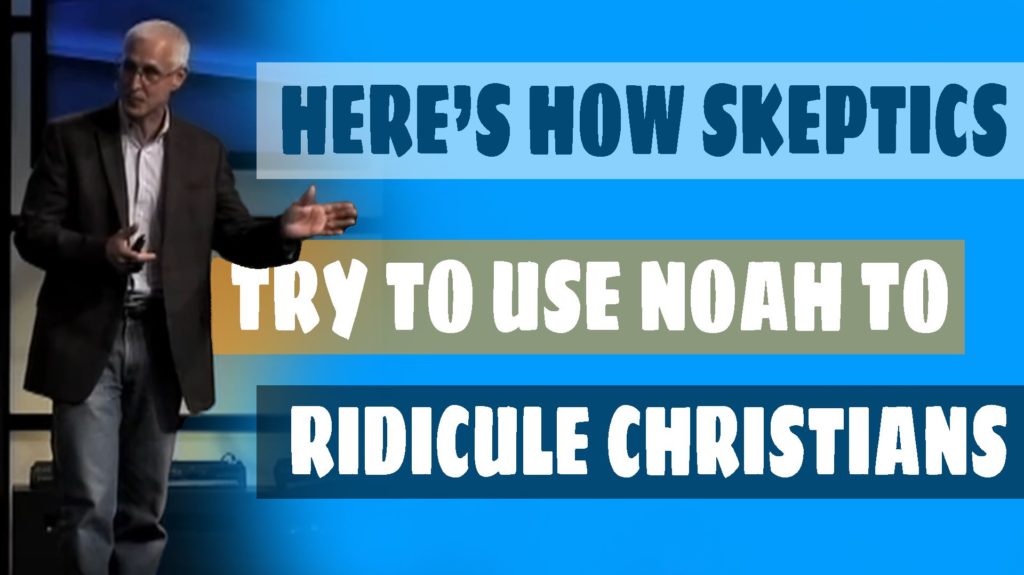
The ark account involving Noah seems ridiculous to non-believers. Do we sometimes contribute to their skepticism by how we portray the event?

The ark account involving Noah seems ridiculous to non-believers. Do we sometimes contribute to their skepticism by how we portray the event?

Discussion

8 comments

  1. Justin Kaleb Graves says:

    Well, when we read the Primeval History, it’s rather clearly etiology, not what post-enlightenment people would call “history.” Instead of asking “what happened in the past,” it asked “why are things the way they are today?” Because is the internal contradictions within the story, like most of the Torah, we can see the redactor was focused on preservation, not coherence.

    When we read the Noah stories within their historical context, it just becomes clear that they’re like the parables, ahistorical but spiritually valuable.

  2. David Maggs says:

    another slam dunk for Michael.

  3. Duncan Macpherson says:

    It is a folk tale that has spiritual value. It is not history. It is probably based on a folk .memory of a major flood between the Tigris and the Euphrates.

  4. Patrick Yisrael says:

    Yes it is generally portrayed incorrectly.

    Kinds. Not species. There is a difference.

    Learn it.

  5. Adam Monty says:

    It’s only ridiculous if you belive it is a literal event.

    Considering it literal is a fringe belief in Christendom.

    You find that it is usually Christians that criticise those that belive the global flood was historical as they make Christian look stupid and uneducated.

  6. Jim Wallace says:

    I’ll have more to say on this in three more videos (due out this month)…

  7. Duncan Macpherson says:

    Biblical fundamentalists discredit Theism.

  8. Arthur Adam Haglund says:

    Babies explain the Ark, perfectly.